


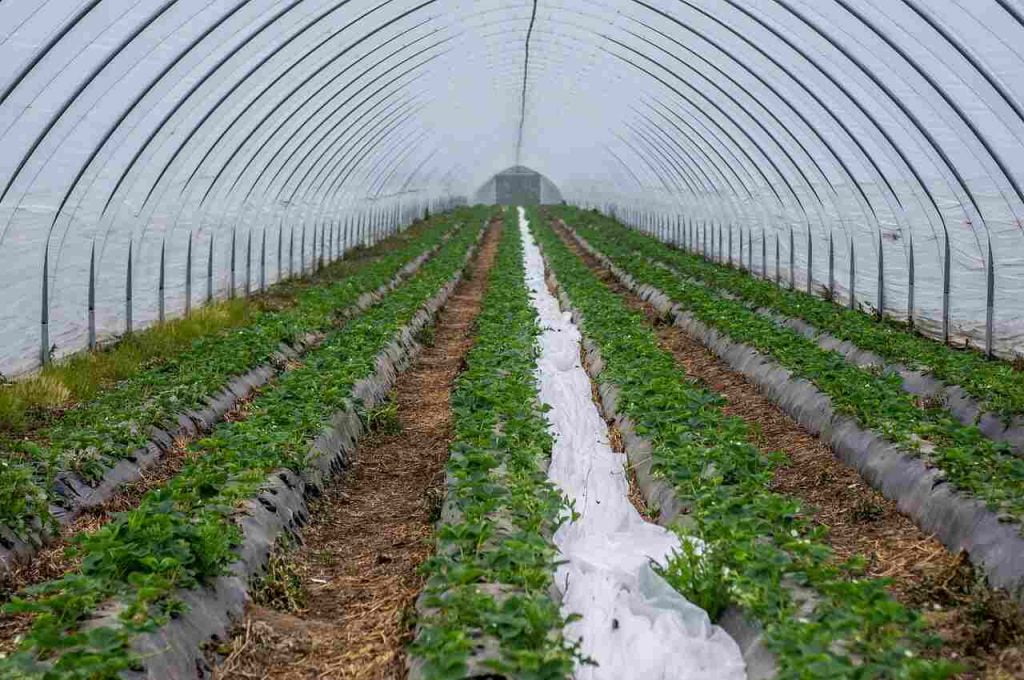
Drip irrigation in the vegetable garden is an easy DIY project that will pay for itself in reduced water and labor costs. With a drip irrigation system, you won’t have to worry about spending a lot of time watering your plants during the summer.
Drip irrigation has many benefits.
Not having to hand-water the garden is a huge time saver.
Reduce your water bill by being frugal.
Maintaining a plant’s health reduces stress and boosts yields.
Reduce time spent weeding by applying water selectively.
Help the environment by reducing your water usage.
If you have a typical garden, this task should take you no more than two hours to complete. Drip irrigation kits with everything you need to install the system and detailed instructions are now available at most garden centers. You can even place online orders for replacement parts from manufacturers. Our drip irrigation system is linked to our lawn sprinklers and has a timed zone. It could have been operated simply from a garden hose with a hose-end timer. Still, as we had an open area, we decided to include it in our automated irrigation system. Drip irrigation, contrary to popular belief, is not only straightforward to set up but also highly efficient.
Comprehensive installation instruction is outside the scope of this article, but I’ll describe the main features so you can get a feel for it and give resources for further study online.
Drip Irrigation: Its Parts
Your water source is the system’s nerve center. You need to know the water pressure at your source and the volume of water that flows through it every hour. The answer to this question will dictate whether a low-flow or pressure-compensating system is used. (A quick check for this can be found in the tutorials.)
The backflow preventer will stop harmful microorganisms from entering your water supply from the sewer system.
Before bringing the system into the garden, you’ll hook up the filter to keep the system free of clogging grit and tiny particles.
The main supply line is the conduit through which water is delivered from the reservoir to the garden.
Emitter tubing, typically 1/4″ tubing, links an emitter to the main line.
The actual mechanism that waters the plant is called an emitter. The stakes, sprinklers, or drip emitters may be set up at the plant’s foundations.
When water pressure is high, pressure-regulating valves maintain a safe pressure level and prevent flooding.
A manifold is installed on the main water line to control the water distribution throughout a more extensive system. This manifold consists of several valves, either manual or electric, that are connected to the main line.
Now that you have a firm grasp of the fundamentals, you should have no trouble following along with the guides and videos. I’ve included the URL for the provider I use because they’ve been in business for quite some time and provide excellent customer service and quality goods. You may find many resources here, including guides, tutorials, and video demonstrations. Dripworks
I hope your drip irrigation system works out for you.
Glenn Bronner has worked as a groundskeeper for businesses for over 35 years. The Urban Garden and The Woodland Garden are under his care, and he invites you to come and learn from him in his vicinity.
Backyard in Glenns.
Read also: How To Handle It Before Buying Computer Speakers.