

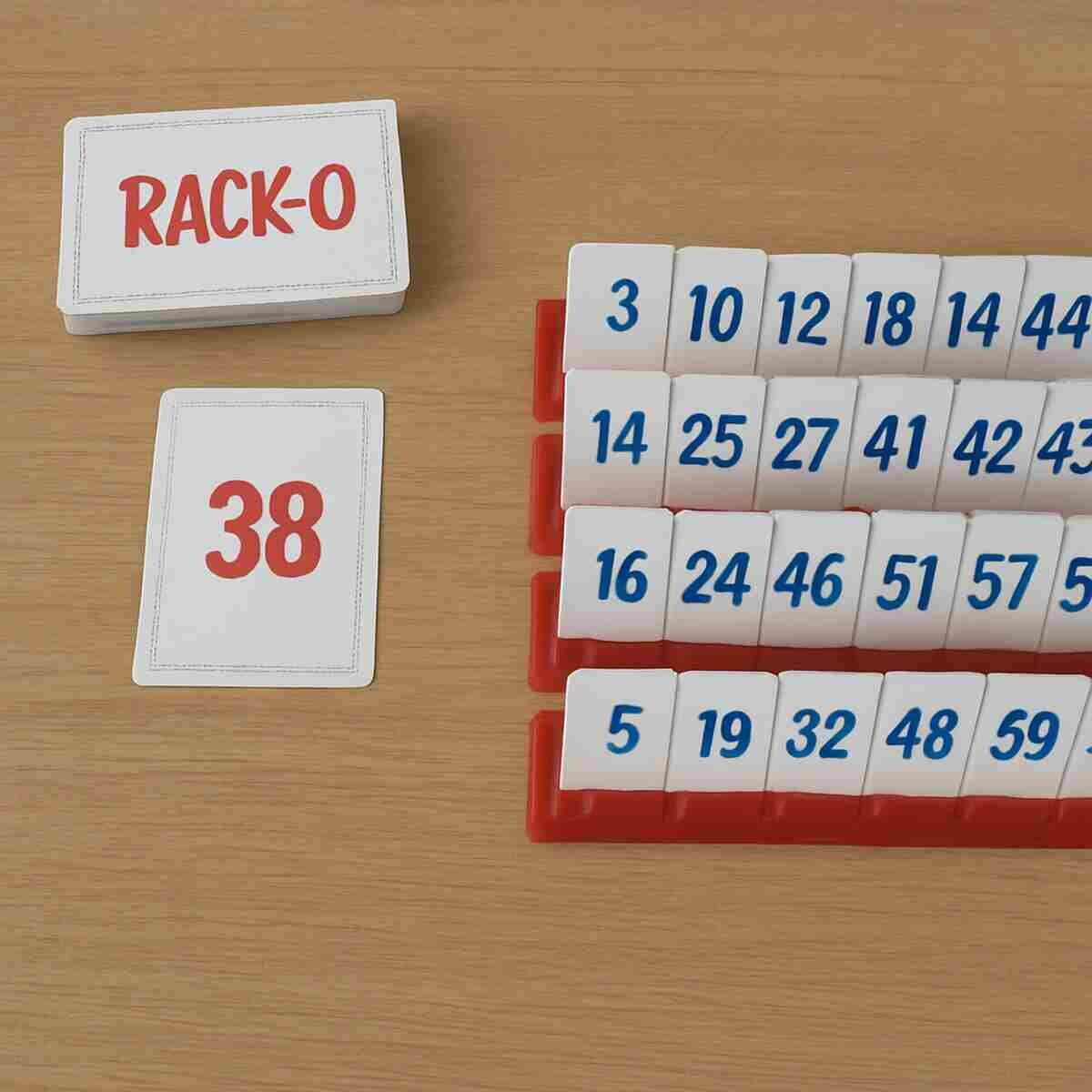
Ever heard of Racko? It’s a classic card game that’s perfect for a fun family night or a casual gathering with friends. If you’ve never played before, don’t worry! This guide will take you through the basics in a way that’s easy to follow. So, grab your friends, shuffle those cards, and get ready to have some fun! To find more, check on ripplecards.com
Racko is a simple yet exciting card game that’s all about strategy and luck. The aim of the game is to be the first player to arrange all your cards in numerical order. Sounds easy, right? Well, there’s a bit of a twist, but we’ll get to that soon.
The History of Racko
Racko was first introduced in 1956 and quickly became a household favorite. Developed by Milton Bradley, the game has stood the test of time, evolving with various editions and modifications while maintaining its core appeal. Understanding its origin adds a layer of appreciation to the game.
Why People Love Racko
The beauty of Racko lies in its balance of luck and strategy. It’s a game that requires attention to detail and adaptability, making each round a unique challenge. Players of all ages can enjoy it, and its simple rules make it accessible to newcomers, providing an engaging experience without overwhelming complexity.
Essential Components
The game uses a special Racko deck of 60 cards, numbered from 1 to 60. You’ll also need a Racko rack for each player, which holds up to 10 cards. The game is suitable for 2 to 4 players, making it a great option for both small and larger groups. Understanding these components is crucial as they form the foundation of the gameplay.
Setting Up the Game
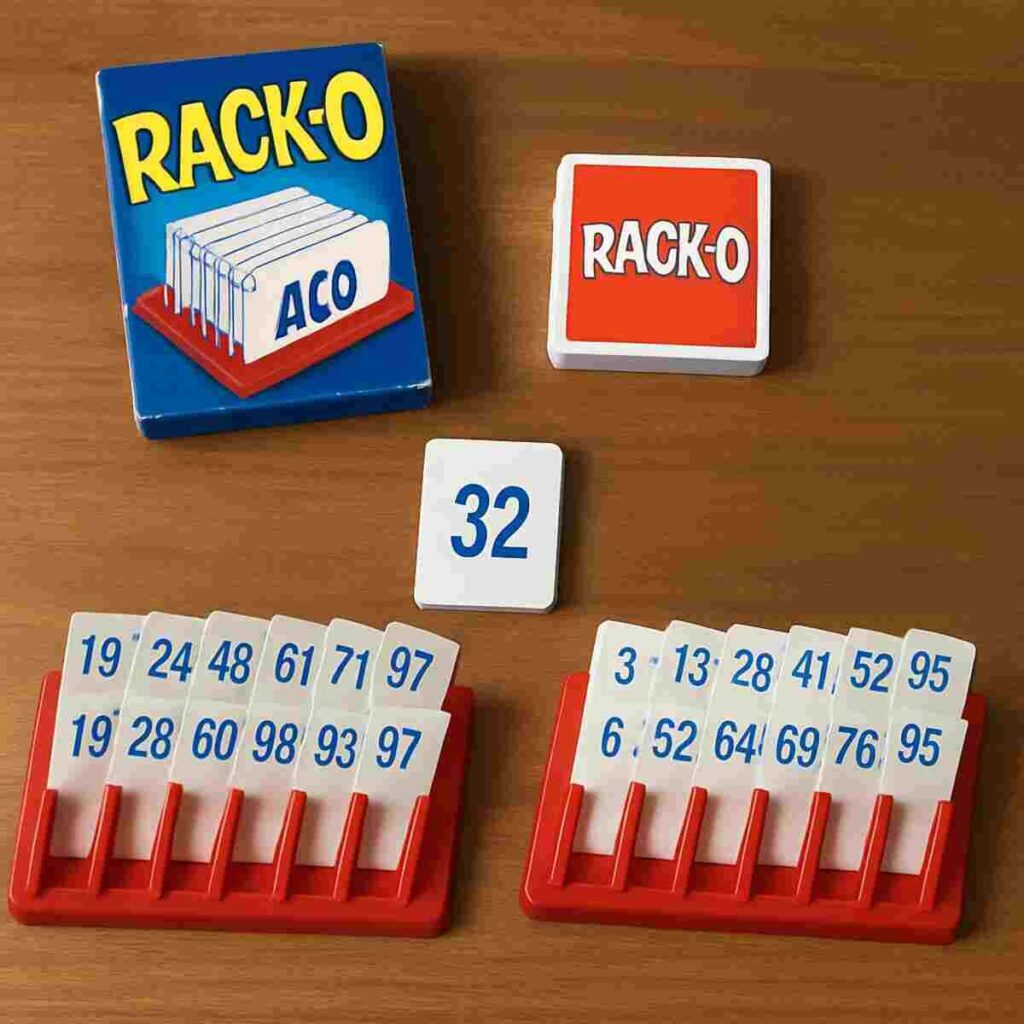
Before you start, make sure each player has a rack. Shuffle the cards and deal 10 cards to each player, one at a time. Place the cards face down in each rack, filling from the back (slot 10) to the front (slot 1). The rest of the deck becomes the draw pile, placed face down in the center. Flip the top card over to form the discard pile.
Preparing the Deck
To ensure a smooth game, shuffle the deck thoroughly. This step is vital as it sets the stage for a fair and unpredictable game. A well-shuffled deck prevents any player from having an unfair advantage and keeps the game exciting.
Distributing the Cards
Deal 10 cards to each player, one at a time. This methodical distribution allows players to gradually build their strategy as they assess their initial hand. The anticipation of each card draw adds to the excitement, keeping players engaged from the start.
Arranging the Playing Area
Once the cards are dealt, arrange the playing area with the draw and discard piles clearly visible. A well-organized playing area facilitates smooth gameplay and helps players focus on their strategy rather than searching for cards. Ensuring everyone has easy access to the piles is crucial for maintaining the game’s flow.
How to Play Racko: The Rules
Objective
The objective is simple: be the first to have all your cards in ascending order from front to back in your rack. This straightforward goal is at the heart of Racko, driving players to strategize and adapt as the game progresses.
Playing the Game
- Drawing a Card: On your turn, you can either draw from the draw pile or pick the top card from the discard pile. This choice is strategic, as it can impact your ability to rearrange your cards effectively.
- Replacing a Card: If you draw from the discard pile, you must replace one of your cards with it. If you draw from the draw pile, you can decide to keep it or discard it. If you keep it, you must replace one of your cards with it. This step is where strategy meets luck, as the decision to replace a card can make or break your sequence.
- Discarding: Place the card you replaced in the discard pile. Your turn ends after you discard. This cycle keeps the game moving and requires players to be attentive and quick in their decision-making.
- Calling Racko: Once a player’s cards are in numerical order, they call “Racko!” and the round ends. This moment is the culmination of your strategy and luck, offering a satisfying conclusion to a well-played game.
Scoring
After a player calls Racko, points are awarded based on how many cards are in order:
- 10 points: All cards in perfect numerical order. Achieving this is the ultimate goal, rewarding players for their skillful play.
- 5 points: 5 cards in order, starting from the back. This partial victory keeps the competition alive, allowing players to score even if they don’t achieve full Racko.
- 1 point: Each additional card in order from the back. Incremental points encourage players to aim for small victories, adding depth to the scoring system.
The first player to reach 75 points wins the game! This target provides a clear endpoint, keeping the game competitive and engaging.
Tips and Strategies
Here are some tips to help you become a Racko pro:
Pay Attention to Opponents
Watch what cards they discard; it might give you a clue about their strategy. Observing opponents can provide valuable insights into their plans, allowing you to anticipate their moves and adjust your strategy accordingly.
Keep an Eye on the Middle
The middle cards are often the hardest to place, so focus on getting those right first. By prioritizing the middle, you create a solid foundation for arranging the rest of your cards, making it easier to achieve a complete sequence.
Be Flexible
Sometimes it’s better to break a sequence to improve your chances of building a longer one later. Flexibility in strategy can lead to unexpected opportunities, turning potential setbacks into advantages.
Think Ahead
Always have a plan for where the next card could fit before you draw. Anticipating future moves ensures you are prepared for any card you might draw, maintaining momentum and minimizing disruptions to your sequence.
Variations of Racko
If you’re feeling adventurous, try out some fun variations of the game:
Speed Racko
Play with a timer for each turn to add pressure and excitement. This variation introduces a thrilling pace to the game, challenging players to think quickly and act decisively, enhancing the overall excitement.
Team Racko
Partner up and work together to get both racks in order. Communication is key! This cooperative twist fosters teamwork and strategic collaboration, creating a dynamic and engaging gameplay experience.
Reverse Racko
Instead of ascending order, arrange your cards in descending order. This variation flips the game’s objective, requiring players to rethink their strategies and adapt to a new challenge, keeping the game fresh and exciting.
Conclusion
Racko is a fantastic game that combines strategy, luck, and a bit of friendly competition. Whether you’re playing with family or friends, it’s sure to provide plenty of laughs and maybe even a little suspense. So next time you’re looking for a game night option, consider giving Racko a try. You’ll be glad you did!
Now that you’re armed with all the knowledge you need, go ahead and rack up those points. Happy playing! Racko offers endless possibilities for fun and strategic thinking, making it a cherished addition to any game collection.
